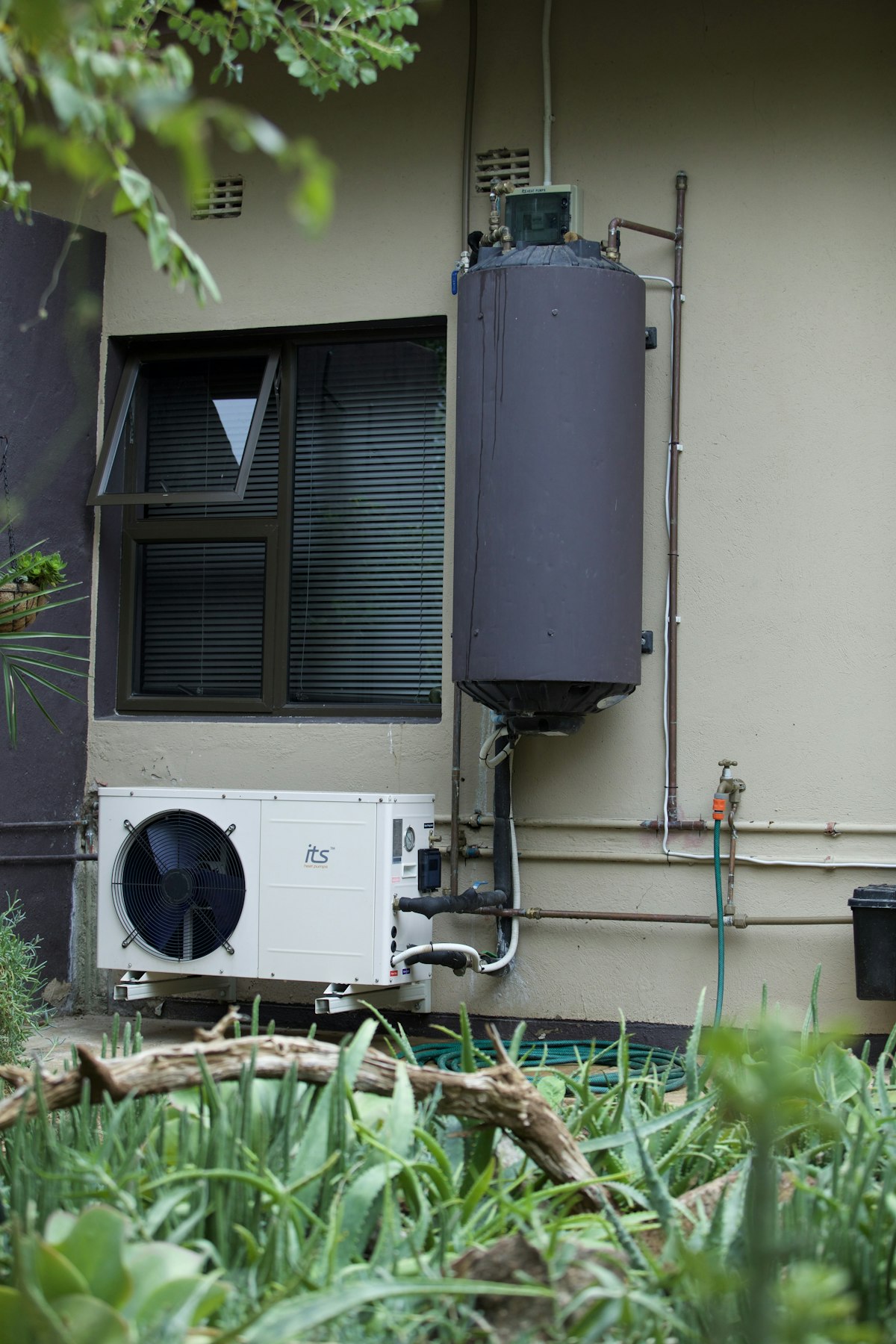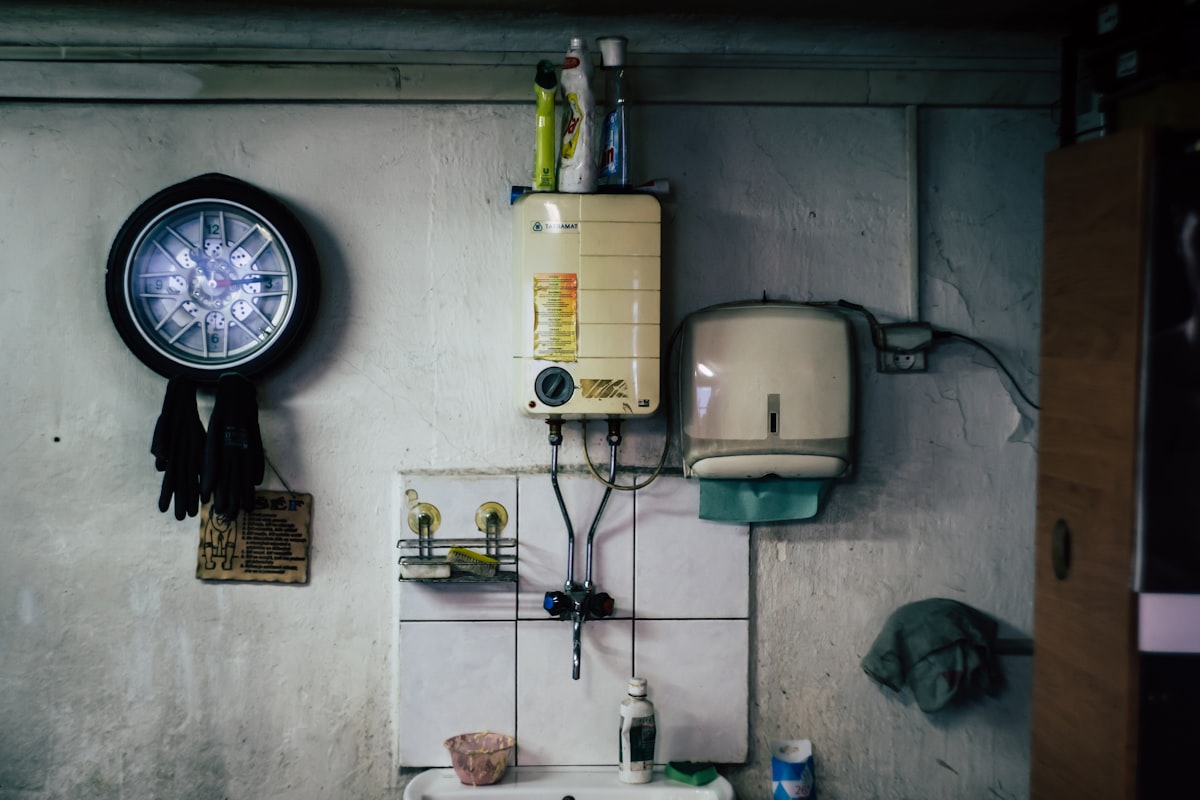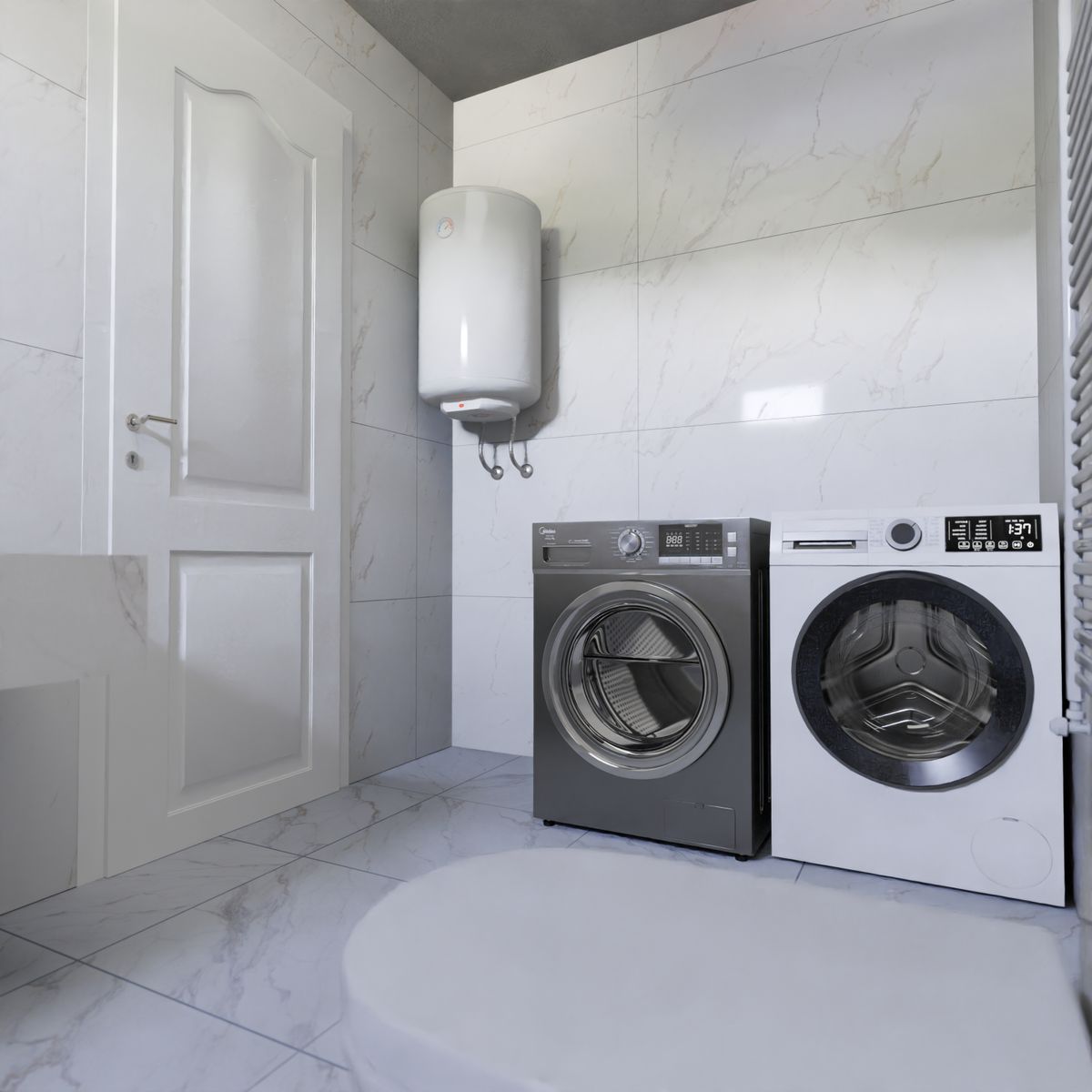
Knowing how to descale a tankless water heater is essential maintenance in Arizona, where water often runs 15 to 20 grains per gallon. Without an annual flush, mineral scale builds up inside the heat exchanger, reduces efficiency, and can shorten the unit’s life from 20 years down to a fraction of that. Here is the step-by-step process and how often to do it.
We install and service tankless water heaters across Queen Creek, Gilbert, Chandler, Mesa, and San Tan Valley, and descaling is the single most common maintenance visit we run. Many homeowners simply do not know it needs to happen — here is what to know. For more on our full service area, see our complete guide to plumbing in Queen Creek, AZ.
Not sure if your unit has ever been flushed? 📞 Call (480) 544-0057Does a Tankless Water Heater Need Maintenance?
Yes, and in Arizona it is not optional if you want the unit to reach its full lifespan. Unlike a tank unit, a tankless heater does not accumulate sediment at the bottom, but hard water minerals still coat the inside of the narrow heat exchanger passages every time water flows through. Left unaddressed, that scale layer insulates the exchanger, forces the unit to work harder, raises your energy bill, and eventually triggers error codes or reduced hot water flow.
How Often to Flush a Tankless Water Heater
Manufacturers generally recommend flushing every 12 months in areas with hard water. Given that Phoenix Valley water sits well above the “hard” threshold, we recommend sticking to that annual schedule strictly, and considering every 6 months if you do not have a whole-house water softener installed. Pairing a tankless unit with a water softener can meaningfully extend the interval between flushes.
How to Descale a Tankless Water Heater: Step-by-Step
Most tankless units include built-in service valves specifically for this process. Here is the general procedure a licensed plumber follows:
- Turn off power and gas (or electric) to the unit at the breaker or gas shutoff before starting.
- Close the cold and hot water isolation valves and open the purge valves to relieve pressure.
- Connect a submersible pump to the service ports using the hoses built for this purpose, with the other ends placed in a bucket of descaling solution (food-grade white vinegar or a manufacturer-approved descaler work well).
- Circulate the solution through the heat exchanger for 45 to 60 minutes to dissolve mineral scale.
- Flush with clean water for several minutes to clear out the descaling solution completely.
- Reconnect the water lines, restore power/gas, and test the unit for proper operation and error-free startup.
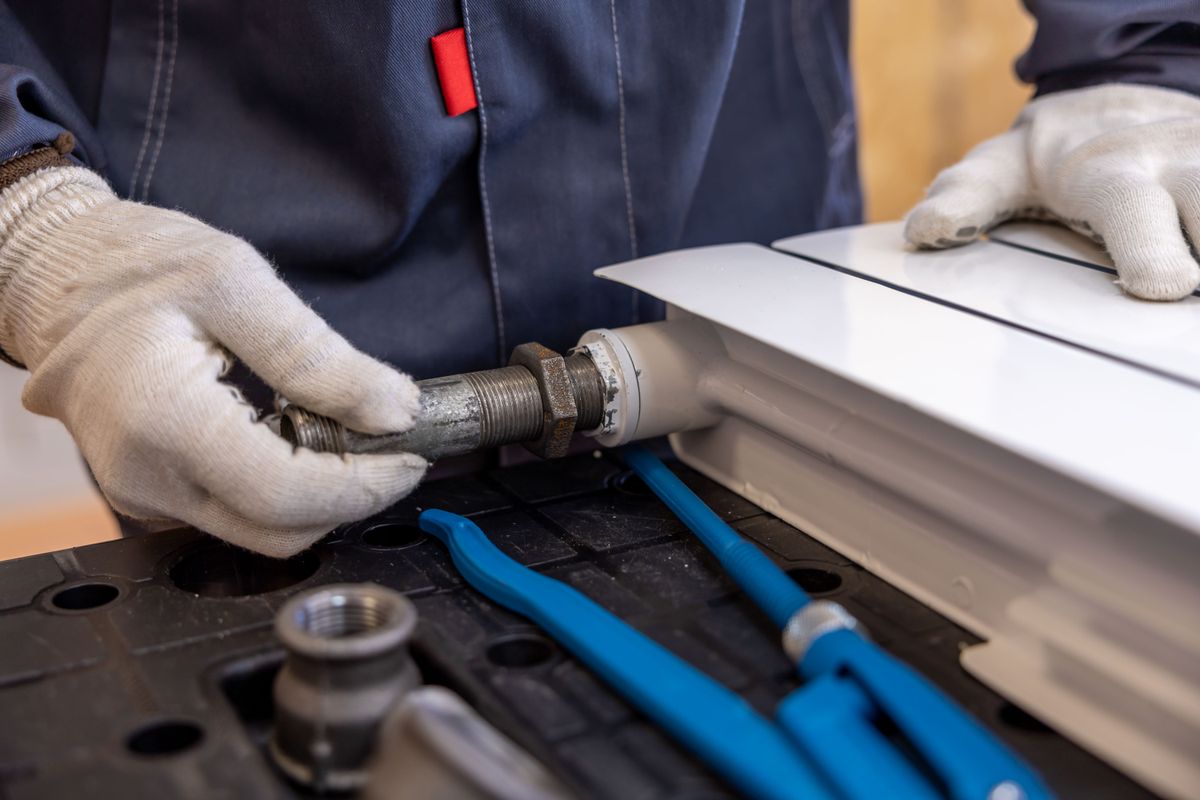
A note on DIY descaling: Homeowners with the manufacturer’s isolation valve kit can often do this themselves. If your unit does not have service valves installed, or you are not comfortable working with gas or electrical shutoffs, a licensed plumber can complete the flush safely in under an hour.
Signs Your Tankless Unit Needs Descaling Now
Do not wait for the annual reminder if you notice any of these signs:
- Reduced hot water flow or pressure
- Longer wait time for hot water to reach the tap
- Error codes related to flow or temperature sensors
- Higher gas or electric bills with no other explanation
- The unit has never been flushed and is more than a year old
Why This Matters More With a Tankless Unit
Tank units and tankless units both suffer from Arizona hard water, but the failure modes differ. A tank simply corrodes and needs replacement, which we cover in our tankless vs. tank comparison. A tankless unit, by contrast, is designed to last much longer, and descaling is the maintenance step that actually delivers on that promise. Skipping it does not just risk a slightly shorter life — it can trigger a full heat-exchanger replacement, which is one of the more expensive repairs on these units.
For more on how installed pricing works if you are still deciding between tank and tankless, see our water heater replacement cost guide.
Frequently Asked Questions
How do you descale a tankless water heater?
Shut off power and gas, close the water isolation valves, connect a submersible pump to the service ports, circulate a descaling solution through the heat exchanger for 45 to 60 minutes, flush with clean water, then restore and test the unit.
How often should I flush a tankless water heater?
Once a year is standard in hard-water areas like the Phoenix Metro. Homes without a water softener may benefit from flushing every 6 months instead.
Does a tankless water heater need maintenance?
Yes. While it avoids the sediment problems of a tank unit, a tankless heater still needs annual descaling to prevent mineral scale from coating the heat exchanger and reducing efficiency.
What happens if you never descale a tankless water heater?
Scale buildup insulates the heat exchanger, reduces hot water flow, raises energy bills, and can eventually trigger error codes or require an expensive heat exchanger replacement.
Can I descale my tankless water heater myself?
If your unit has the manufacturer’s isolation valve kit installed, many homeowners can do this safely. If not, or if you are unsure about working near gas or electrical connections, a licensed plumber can complete the flush quickly.
Never had your tankless unit descaled?
Call Miracle Plumbing & AC to schedule a flush in Queen Creek, Gilbert, Chandler, Mesa, or San Tan Valley before scale shortens its life.
Get a Free Quote 📞 (480) 544-0057Sources: Manufacturer maintenance guidance (Rinnai, Navien service manuals); U.S. Geological Survey water hardness data (usgs.gov). Pricing and intervals reflect typical 2026 recommendations for the Phoenix Metro area.
Pricing note: Descaling steps vary by manufacturer and model. Always consult your unit’s manual before attempting a DIY flush, or schedule a licensed plumber for the service.