
Water Softener Maintenance: How Much Salt to Add and How Often (Arizona Guide)
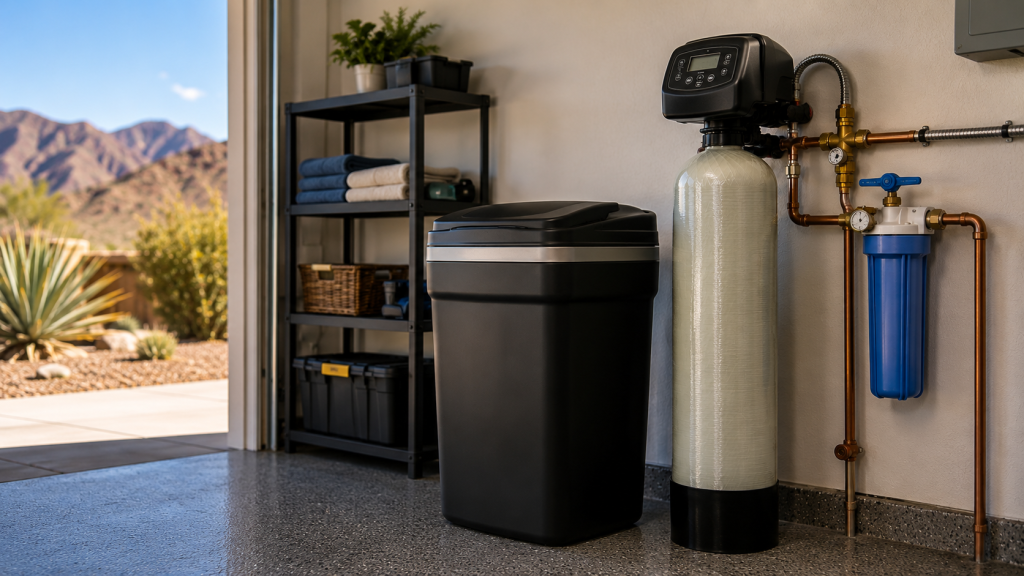
The most common question we hear from softener owners is water softener how much salt to add, and how often. In most Arizona homes with 15 to 20 grains per gallon of hardness, that means checking the brine tank monthly and using roughly one 40-pound bag per month for an average household. This guide covers the full maintenance routine so your softener keeps performing for years.
Tree Roots in Sewer Line: Signs, Risks & How to Fix It
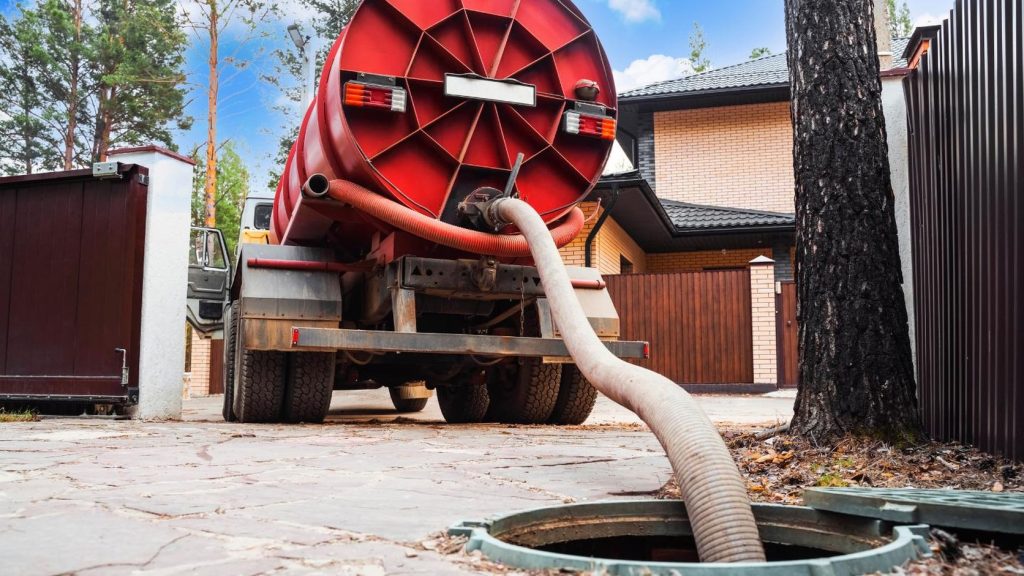
Tree roots in a sewer line are one of the most common causes of recurring drain backups in the Phoenix Valley, where mature mesquite and eucalyptus trees send roots searching for the moisture inside sewer pipes. Roots enter through tiny cracks or joints, then expand and multiply until they partially or fully block the line. This guide covers the warning signs, the real risk to your home, and how it gets fixed.
7 Signs Your Water Heater Needs to Be Replaced
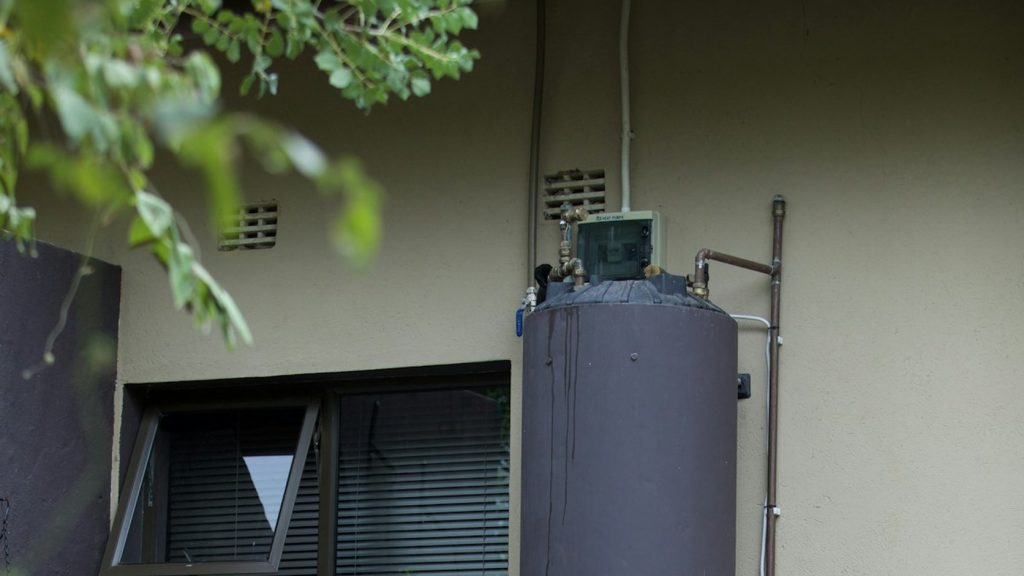
Catching the signs your water heater needs to be replaced early can save you from a cold-shower surprise or, worse, water damage from a tank failure. Below are the seven warning signs we see most often on service calls across the Phoenix Metro, from strange noises to visible leaks, and what each one means for your next step.
How to Flush & Descale a Tankless Water Heater in Arizona (Why Hard Water Makes It Essential)
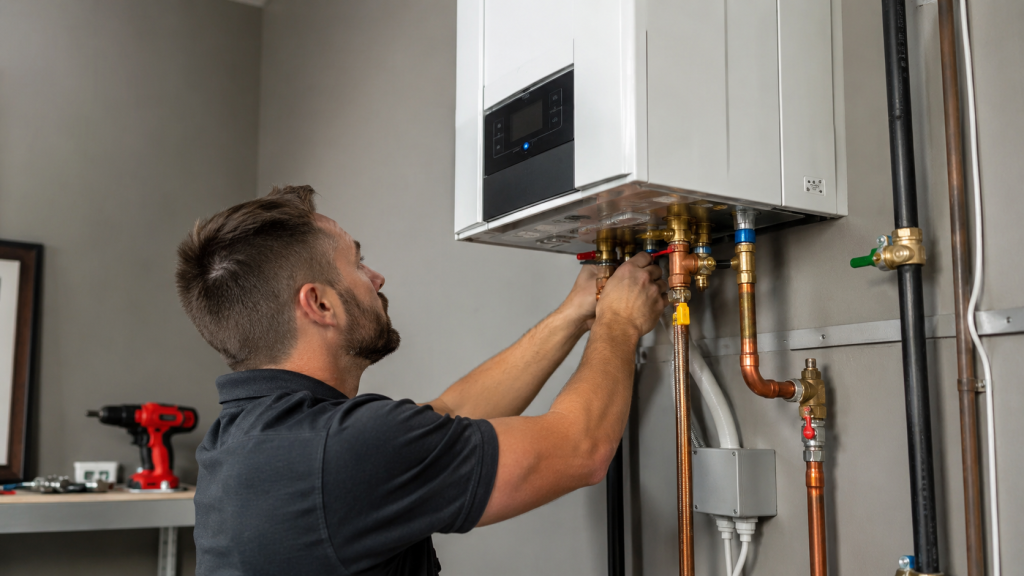
Knowing how to descale a tankless water heater is essential maintenance in Arizona, where water often runs 15 to 20 grains per gallon. Without an annual flush, mineral scale builds up inside the heat exchanger, reduces efficiency, and can shorten the unit’s life from 20 years down to a fraction of that. Here is the step-by-step process and how often to do it.
How Long Do Water Heaters Last in Arizona? (And How to Make Yours Last Longer)
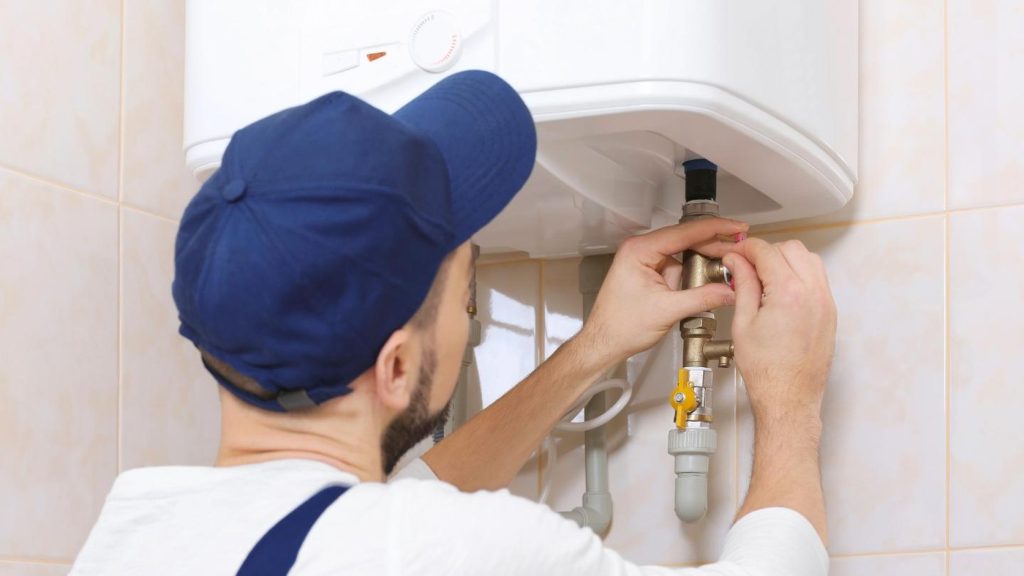
Ten to twelve years is the textbook lifespan for a tank water heater, and 15 to 20+ for tankless. That national average doesn’t hold up well in the Phoenix Valley. Ask how long does a water heater last here specifically, and the honest answer is often 6 to 8 years for a tank, because our extremely hard water accelerates sediment buildup and internal corrosion faster than almost anywhere else in the country. This guide explains why, and what you can do to get every extra year out of your unit.
How to Tell If You Have a Slab Leak (And What to Do Next)
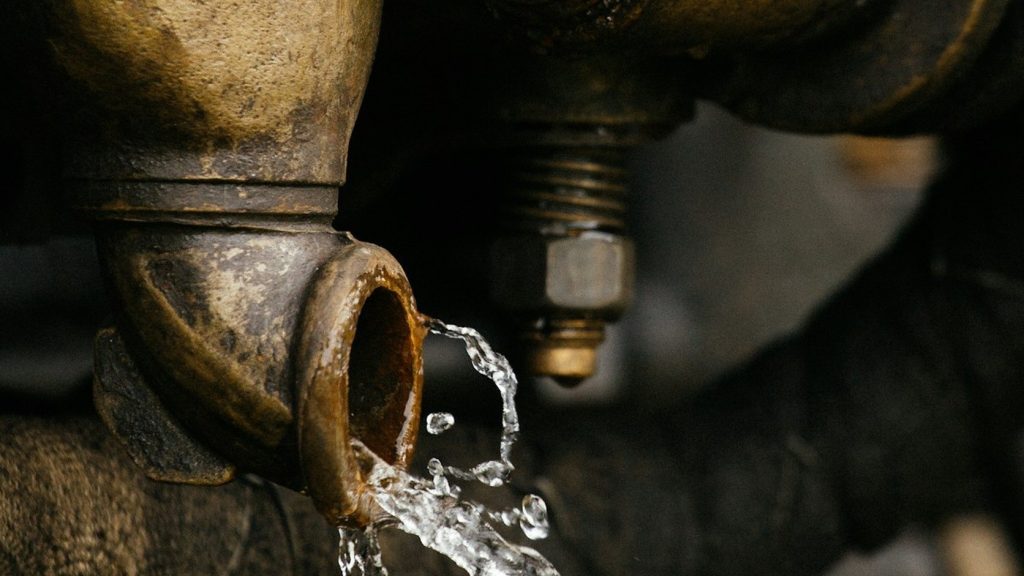
A rising water bill with no explanation. A warm spot on the floor that wasn’t there last month. The faint sound of running water when every fixture in the house is off. These are the three clues that send Phoenix-area homeowners searching for how do you know if you have a slab leak, and each one on its own is worth a closer look. A slab leak means a water line running underneath your home’s concrete foundation has developed a leak. This guide covers every warning sign so you can catch it early.
Smell Rotten Eggs? Here’s What to Do If You Suspect a Gas Leak
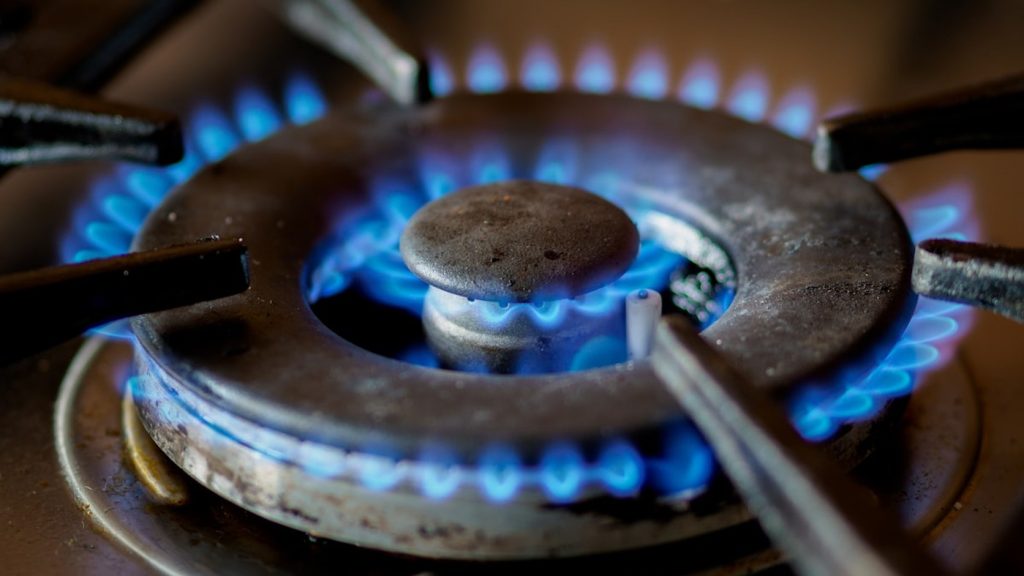
Recognizing the gas leak signs at home quickly can be a genuine safety matter. Natural gas is odorless on its own, so utility companies add a chemical called mercaptan that produces a distinct rotten egg smell, specifically so leaks are noticeable. If you smell it, do not treat it casually. This guide covers the warning signs and the exact steps to take, in order.
Emergency Plumber in Queen Creek AZ: What to Expect & How to Choose
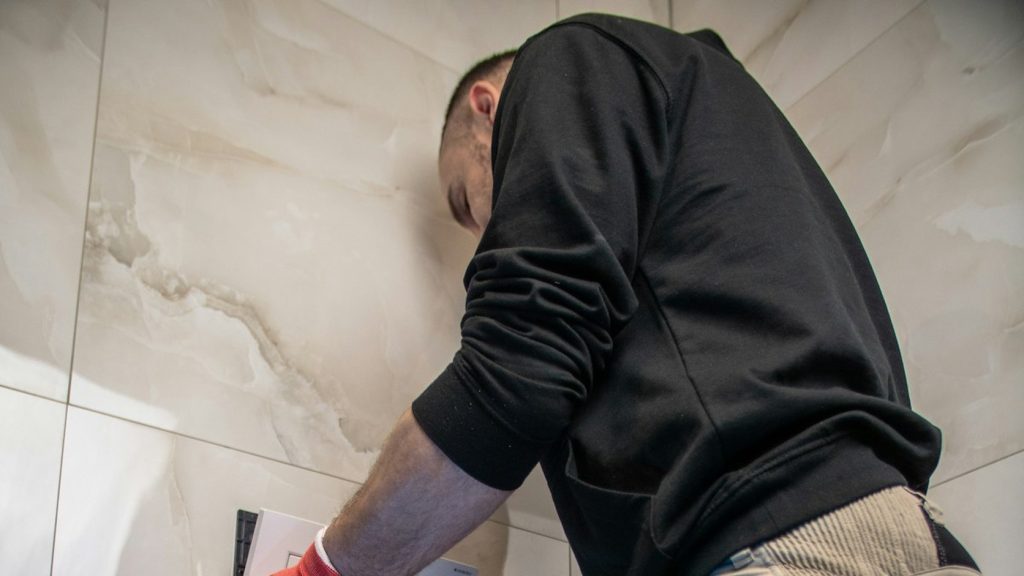
A burst pipe at midnight. An overflowing toilet before guests arrive. A gas smell that won’t go away. A water heater that quits the morning of a holiday. These are the moments that send Queen Creek homeowners searching for an emergency plumber they can actually trust. This guide covers what a real 24/7 emergency plumbing call looks like, roughly what it costs, and the questions worth asking before you let anyone into your home.
How to Unclog a Shower, Sink, or Toilet Drain (And When It Needs a Plumber)
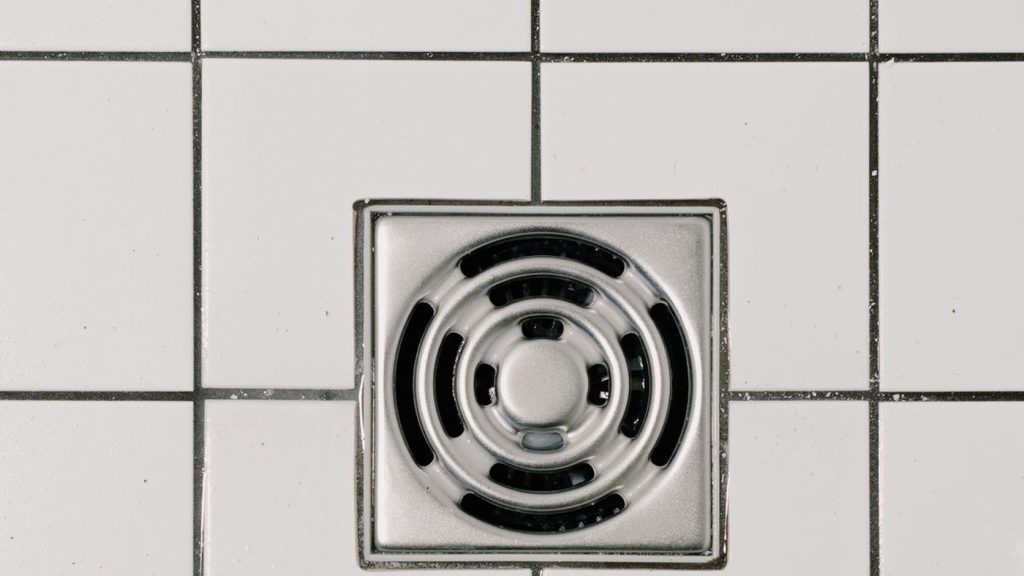
Every fixture clogs differently, which is why a one-size-fits-all fix rarely works. A clogged shower drain is almost always hair and soap scum. A clogged sink drain in the bathroom is usually similar, while a kitchen sink clog is typically grease and food debris. A clogged toilet or floor drain points to a deeper blockage. Here is the right approach for each.
Drain Clogged? Here’s When to DIY and When to Call a Plumber
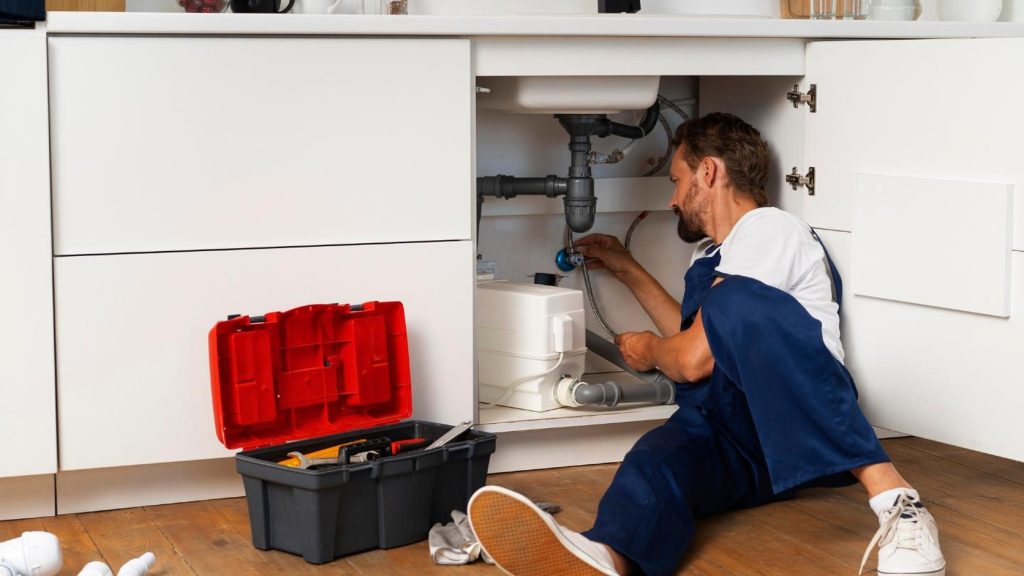
Baking soda and vinegar, a plunger, a bent wire hanger, most homeowners try all three before they ever search for how to unclog a stubborn clogged drain. Those tricks work fine for minor, surface-level clogs. But if water is backing up, draining slowly across multiple fixtures, or the clog returns within days of a DIY fix, that points to a deeper problem no home remedy will solve. This guide covers both.