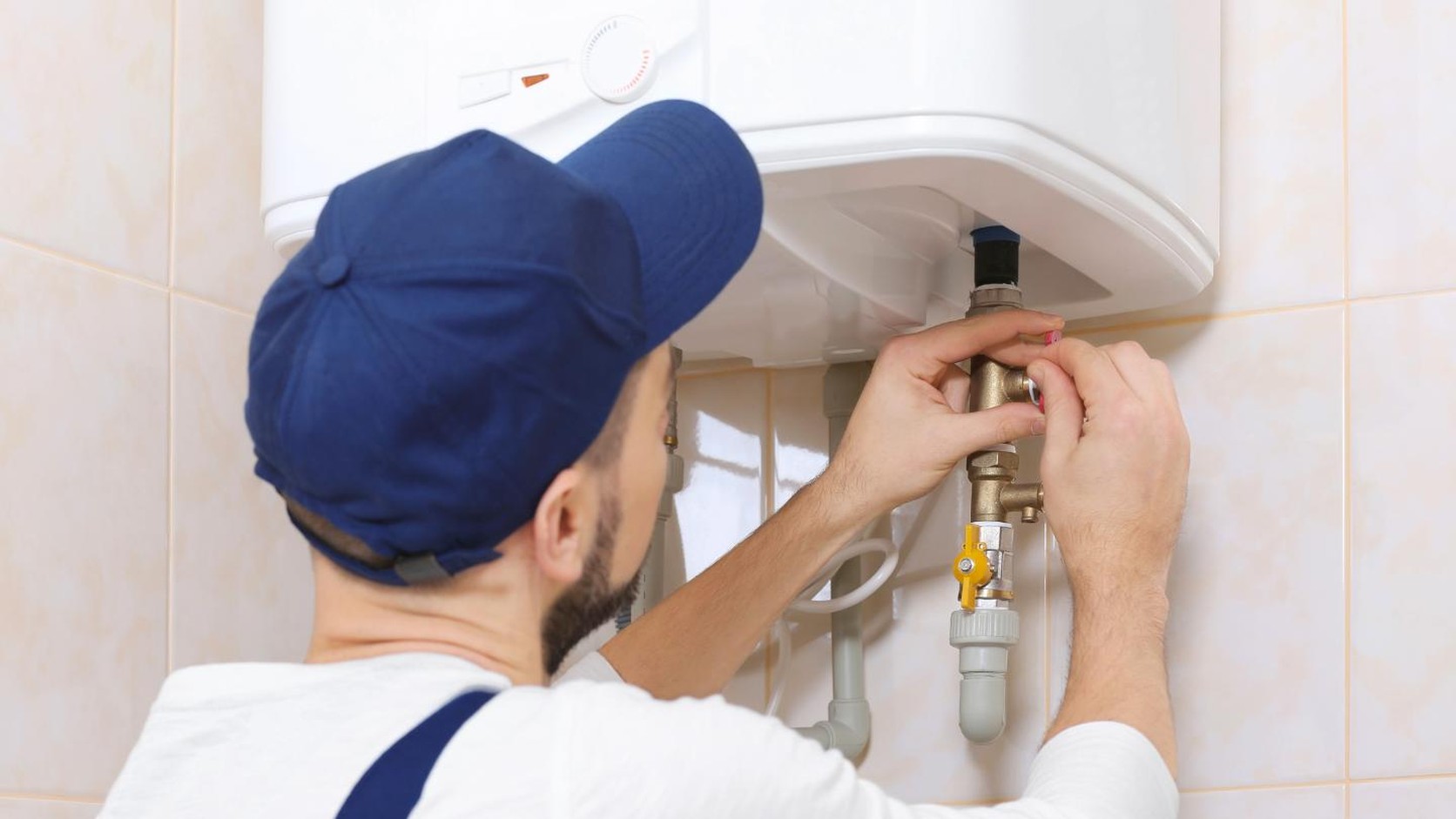
Published July 9, 2026 · Water Heater Installation & Repair
Ten to twelve years is the textbook lifespan for a tank water heater, and 15 to 20+ for tankless. That national average doesn’t hold up well in the Phoenix Valley. Ask how long does a water heater last here specifically, and the honest answer is often 6 to 8 years for a tank, because our extremely hard water accelerates sediment buildup and internal corrosion faster than almost anywhere else in the country. This guide explains why, and what you can do to get every extra year out of your unit.
We inspect and replace water heaters across Queen Creek, Gilbert, Chandler, Mesa, and San Tan Valley every week, and the pattern is consistent: units that get annual flushing and a water softener last noticeably longer than units that do not., AZ for the bigger picture on local service.
Average Water Heater Lifespan: National vs. Arizona
Manufacturers rate tank water heaters for 8 to 12 years and tankless units for 15 to 20 years under average water conditions. “Average” is doing a lot of work in that sentence, and Arizona is not average.
| Unit Type | National Average Lifespan | Typical Arizona Lifespan (unmaintained) |
|---|---|---|
| Tank (gas or electric) | 10, 12 years | 6, 8 years |
| Tankless | 15, 20+ years | 12, 18 years (needs annual descaling) |
Why Water Heaters Fail Faster Here
Phoenix Valley water commonly measures 15 to 20 grains per gallon, well into the “very hard” category. Every gallon that passes through your tank deposits a small amount of calcium and magnesium at the bottom. Over months and years, that sediment layer insulates the burner or heating element from the water above it, forcing the unit to work harder and run hotter than it should.
That extra heat and the mineral scale itself accelerate corrosion of the tank lining and the anode rod that is supposed to protect it. Once the anode rod is consumed, the tank steel starts to corrode directly, which is usually the beginning of the end.
Signs Your Water Heater Is Nearing the End
Age is only part of the story. Watch for these warning signs, covered in more depth in our guide on 7 signs your water heater needs to be replaced:
- Popping or rumbling noises during heating cycles (sediment baking onto the burner or element)
- Rusty or discolored hot water
- Water pooling at the base of the tank
- Inconsistent water temperature
- The unit is 6 or more years old and has never been flushed
How to Extend Your Water Heater’s Life in Arizona
A few habits make a real difference in how long your unit lasts, especially in our water conditions.
- Flush the tank annually to clear sediment before it bakes onto the heating surface.
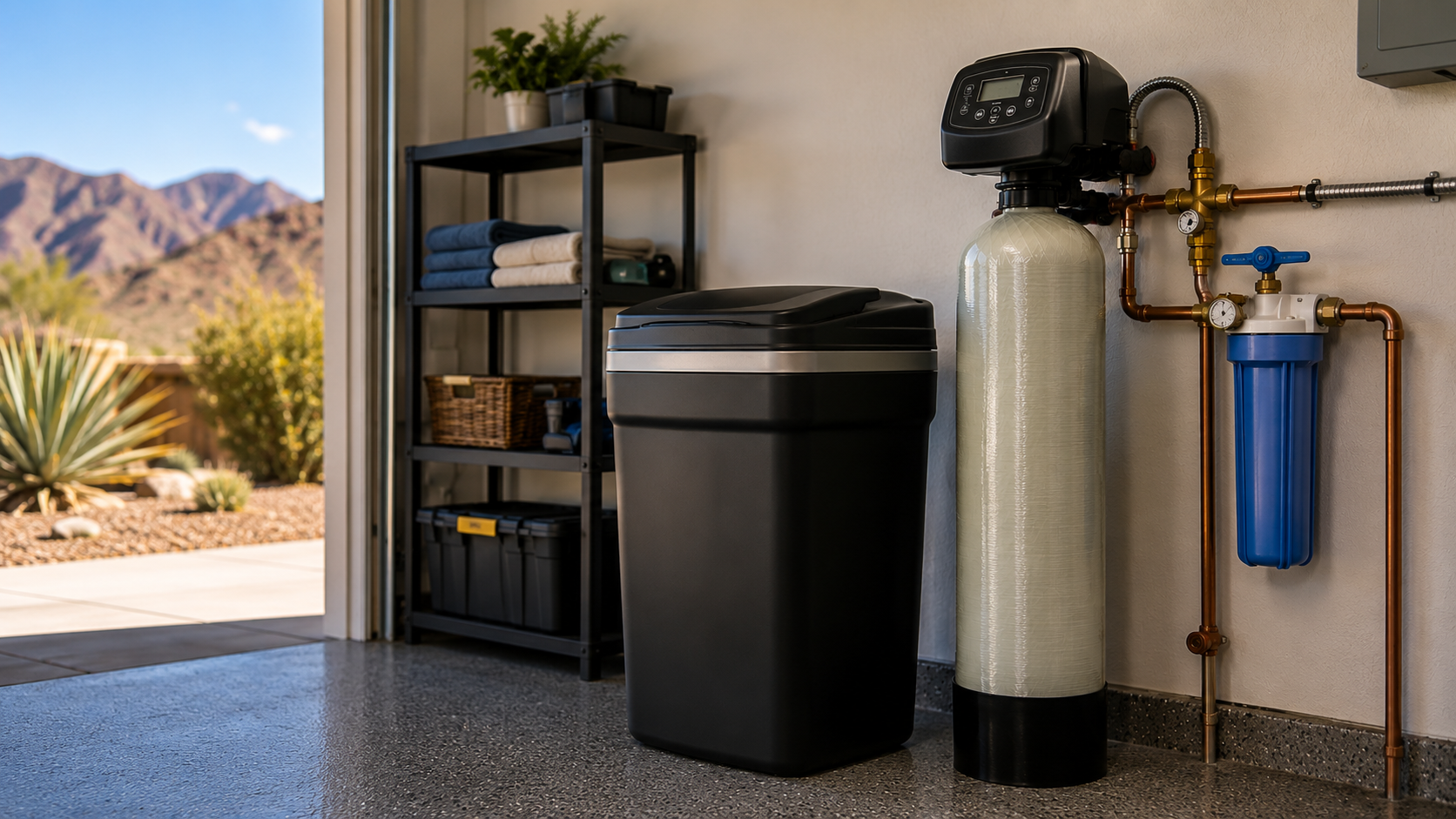
- Install a water softener to cut the mineral load before it ever reaches the tank, Arizona hard water and how it damages plumbing.
- Check the anode rod every 2 to 3 years and replace it before it is fully consumed.
- Set the thermostat to 120°F instead of higher, which reduces both mineral scaling and energy use.
- Consider tankless if you are replacing anyway. tank comparison for Arizona homes.
Want a professional inspection?
We can flush your tank, check the anode rod, and tell you honestly how many years you likely have left.
What Size Water Heater Do I Need?
A unit sized correctly for your household also tends to last longer, since it is not straining to keep up with demand. As a rule of thumb:
- 1, 2 people: 40-gallon tank or a compact tankless unit.
- 3, 4 people: 50-gallon tank or mid-size tankless unit.
- 5+ people or multiple bathrooms: 75-gallon tank or a high-output whole-home tankless unit.
Frequently Asked Questions
How long does a water heater last in Arizona?
A tank water heater in the Phoenix area typically lasts 6 to 8 years without maintenance, compared to a 10-to-12-year national average. Tankless units can last 15 to 20 years or more with annual descaling.
Why doesn’t my water heater last very long?
Arizona’s hard water, often 15 to 20 grains per gallon, causes sediment buildup and accelerated corrosion inside the tank. Skipping annual flushing and anode rod checks shortens the unit’s life significantly.
What size water heater do I need?
A 40-gallon tank suits 1 to 2 people, 50 gallons suits 3 to 4, and 75 gallons or a tankless unit suits larger households. A licensed plumber can size the unit to your peak demand.
Does a water softener really extend water heater life?
Yes. Removing hardness minerals before they reach the tank significantly reduces sediment buildup and corrosion, which are the two leading causes of early water heater failure in Arizona.
How often should I flush my water heater?
Once a year is the standard recommendation for Arizona homes given our hard water. Homes with a whole-house water softener can sometimes extend this slightly, but annual flushing remains the safest habit.
Get an honest read on your water heater’s remaining life
Call Miracle Plumbing & AC for an inspection, flush, or replacement in Queen Creek, Gilbert, Chandler, Mesa, or San Tan Valley.
Sources: ENERGY STAR water heater guidance (energystar.gov); U.S. Geological Survey water hardness data (usgs.gov). Pricing and lifespan figures reflect typical 2026 conditions in the Phoenix Metro area.
Pricing note: Lifespan figures shown are typical estimates and vary by unit, maintenance history, and water conditions. They are not a guarantee. For an accurate assessment of your unit, schedule an inspection with a licensed plumber.
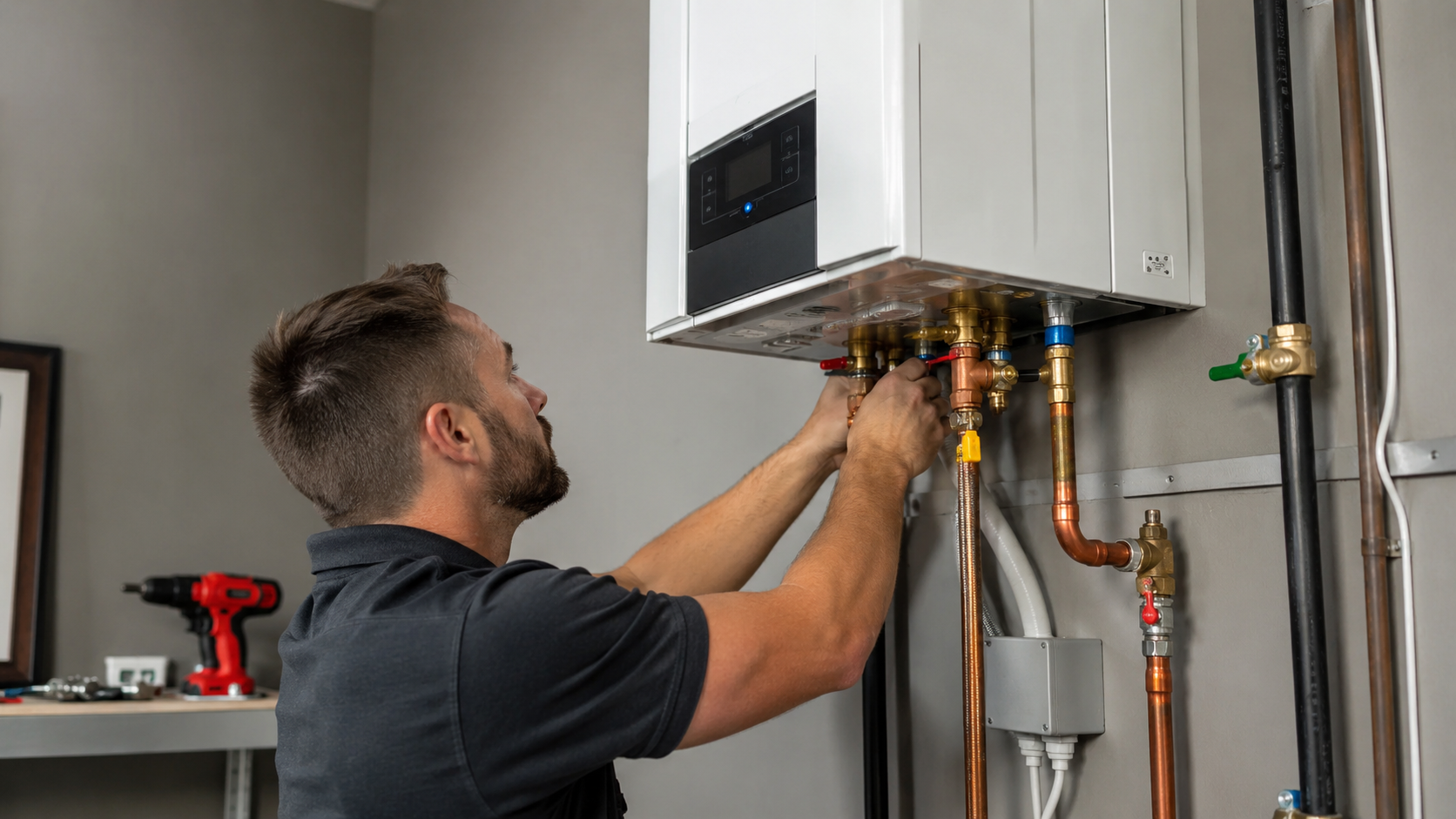
If yours is near the end of its life,water heater installation and repair service.